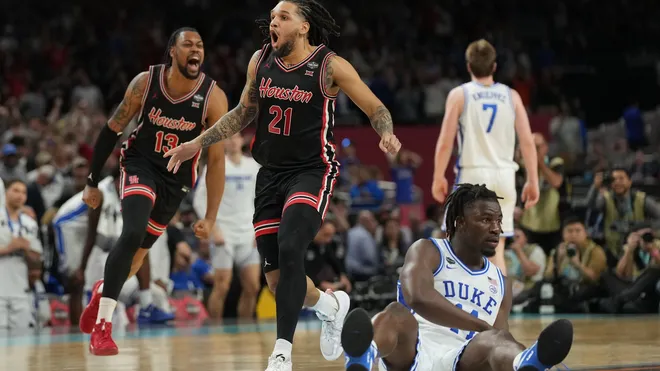
Key Factors That Influence College Basketball Outcomes


College basketball is one of the most dynamic and unpredictable sports in the world. Each game is a blend of strategy, athleticism, coaching, and sometimes, pure heart.
While upsets and Cinderella stories capture the headlines, there are key factors that consistently influence outcomes on the court.
Understanding these elements can deepen your appreciation for the game and offer insights into how programs build success year after year.
Team Chemistry and Leadership
A roster full of talent doesn’t guarantee wins—team chemistry is just as crucial. Successful teams often exhibit strong communication, trust, and unity on and off the court. Veteran leadership, whether from upperclassmen or experienced transfers, plays a vital role in maintaining focus and morale throughout the season.
Leadership also shows during adversity. When a team falls behind or faces a tough opponent, players who lead by example can spark comebacks and inspire teammates to elevate their play.
Coaches often emphasize the development of team culture as much as individual skills, recognizing that cohesion can be the deciding factor in close games.
Coaching Strategy and Adjustments
Great coaches make a noticeable difference in college basketball. From pre-game preparation to in-game adjustments, coaching can swing the momentum of a match. Strategic decisions such as defensive schemes, lineup rotations, and tempo control are all part of a coach’s arsenal.
Elite coaches also excel at player development. They recognize each athlete’s strengths and weaknesses and tailor their systems accordingly. Over the course of a season, the ability to adapt and evolve becomes critical.
Teams that can adjust to different styles of play—whether facing a fast-paced offense or a methodical, defensive-minded opponent—often have the upper hand.
Player Matchups and Individual Performance
Individual performances can heavily influence the outcome of college basketball games. Star players who consistently deliver under pressure provide their teams with a major advantage. But even role players, when matched up effectively, can shift momentum through hustle plays, perimeter shooting, or defensive stops.
Understanding player matchups also plays a role in analyzing outcomes. A dominant center facing a team with limited interior defense can exploit that mismatch for high-percentage shots and rebounds. Conversely, a team with elite perimeter defenders might neutralize an opponent’s top scorer and force others to step up.
These kinds of insights are often factored into college basketball picks, as analysts look beyond win-loss records to evaluate player matchups, recent form, and individual efficiency. While fans might focus on headline players, it’s often the supporting cast and tactical matchups that determine the game’s trajectory.
Home Court Advantage and Fan Impact
Home court advantage in college basketball is a significant factor. Loud, passionate student sections, familiar shooting backgrounds, and the comfort of a home routine contribute to teams performing better on their own floor. Some venues are notoriously difficult for visiting teams, creating an intimidating atmosphere that can disrupt communication and rattle younger players.
Travel fatigue is another element that can affect performance. Back-to-back road games, long flights, or time zone changes can all take a toll on player stamina and mental sharpness. Coaches try to manage these variables through recovery protocols, but the challenges of playing away from home are undeniable.
Injuries and Depth
No matter how talented a team is, injuries can derail a promising season. Losing a key player, especially one who handles the ball or anchors the defense, forces teams to adjust their rotation and game plan. Depth becomes vital in these scenarios. Programs with strong benches and versatile players are better equipped to navigate these challenges.
Additionally, the wear and tear of a long season means that durability and conditioning play a crucial role. Teams that manage minutes wisely and maintain a healthy roster tend to peak at the right time, especially as they approach conference tournaments and the NCAA tournament.
Momentum and Timing
Finally, momentum is a powerful force in college basketball. Teams that get hot late in the season often carry that energy into the postseason, regardless of their seed or record. Confidence, rhythm, and recent success can all contribute to overperformance, while slumps can have the opposite effect.
Timing also matters when facing an opponent. Catching a strong team on an off night—or when they’re dealing with injuries—can tilt the scales. Conversely, facing a surging underdog might pose more danger than rankings suggest.
College basketball outcomes are shaped by a complex mix of talent, preparation, and situational factors.
From the intangibles like chemistry and leadership to tangible elements like player matchups and home court advantage, each game unfolds with its own unique story.
By recognizing these key influences, fans and analysts alike can gain a deeper understanding of what makes the sport so captivating.
Trending Now


